Why Does Eating Fruit Sometimes Make You Feel Tired?

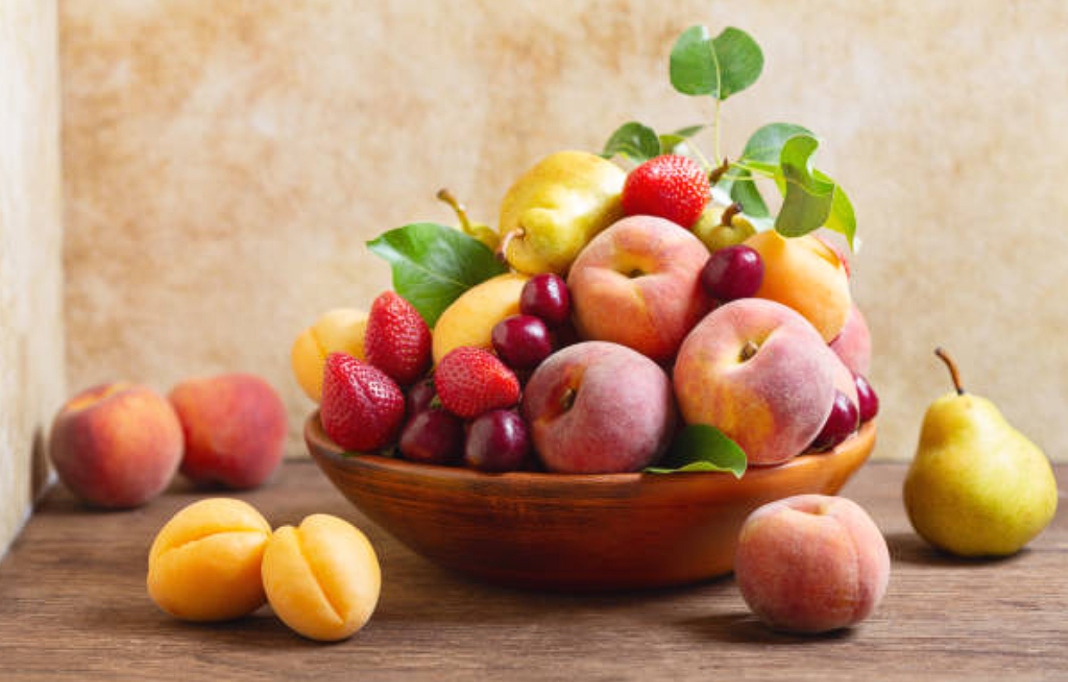
Fruit is often praised as a natural energy booster. Packed with simple sugars like glucose and fructose, it is easy to digest and commonly recommended for breakfast. Yet for some people, eating fruit—especially in the morning—can lead to an unexpected outcome: feeling sleepy, drowsy, or unusually tired.

This puzzling reaction has led to growing discussion within certain nutrition communities, particularly among people who follow low-fat or raw-food diets. One explanation points not to fruit itself, but to what was eaten the night before.

According to this view, the issue may stem from excess dietary fat still circulating in the bloodstream. High-fat meals, especially those eaten at dinner, can take many hours to fully process. When fruit is eaten the next morning, its sugars enter the bloodstream quickly. The body responds by releasing insulin to manage the rise in blood sugar.

However, proponents of this theory argue that when there is a high level of fat in the blood, insulin does not work as efficiently. To compensate, the body may release more insulin than needed. Once insulin eventually clears the sugar from the blood, blood glucose levels can dip too low—leading to fatigue, drowsiness, and a desire to sleep.

Some individuals report that even modest amounts of added fats, such as olive oil used on salads, can trigger this effect. While olive oil is widely considered a healthy fat, it is also highly concentrated: just one tablespoon contains about 120 calories, almost entirely from fat.

Supporters of a low-fat approach say that reducing overall fat intake—especially in the evening—can help prevent next-day fatigue after eating fruit. Many report improved energy levels when they limit oils and focus on whole, low-fat plant foods.

Nutrition experts note that post-meal tiredness can have many causes, including meal size, sleep quality, hydration, overall calorie intake, and individual blood sugar regulation. As with most dietary questions, responses can vary widely from person to person.

Still, for those who regularly feel drained after eating fruit, examining the balance of fat in their diet—particularly at dinner—may offer a useful place to start.


Hot this week

UAE’s Exit from OPEC Isn’t About Oil. It’s About Power.

The UAE's exit from OPEC is about more than oil. It reflects a growing belief in Abu Dhabi that national ambition, economic diversification, and strategic independence matter more than collective production quotas. After nearly sixty years in OPEC, the UAE is betting that its future lies beyond the cartel.

S&P 500 at Record Highs, But the Foundations Are Cracking

The S&P 500 may be at record highs, but beneath the surface the rally is far less convincing. Narrow leadership, rising bond yields, and growing reliance on AI-driven optimism suggest a market powered more by momentum than by broad economic strength.

EU Energy Safe for Now — But Middle East Tensions Cast Long Shadow

EU energy supplies remain stable despite rising tensions in the Middle East, with no immediate risk to oil or gas flows. However, officials warn that prolonged disruption could expose vulnerabilities—particularly in fuel imports—leaving the bloc bracing for an uncertain energy future.

Trump Tried to Break China—He May Have Made It Stronger Instead

When Donald Trump set out to challenge China, he aimed to slow its rise—but may have done the opposite. By forcing Xi Jinping to rethink trade, strengthen supply chains, and reduce reliance on the U.S., Trump pushed China to adapt rather than collapse.

Oil, Power, and the Dollar at Risk

A quiet shift in global oil trade is beginning to challenge the decades-old dollar-based system that helped cement U.S. economic dominance. As Gulf states reassess their alliances and explore alternatives, the balance of financial power may be slowly tilting—away from the dollar and toward a more multipolar world.

Topics

UAE’s Exit from OPEC Isn’t About Oil. It’s About Power.

The UAE's exit from OPEC is about more than oil. It reflects a growing belief in Abu Dhabi that national ambition, economic diversification, and strategic independence matter more than collective production quotas. After nearly sixty years in OPEC, the UAE is betting that its future lies beyond the cartel.

S&P 500 at Record Highs, But the Foundations Are Cracking

The S&P 500 may be at record highs, but beneath the surface the rally is far less convincing. Narrow leadership, rising bond yields, and growing reliance on AI-driven optimism suggest a market powered more by momentum than by broad economic strength.

EU Energy Safe for Now — But Middle East Tensions Cast Long Shadow

EU energy supplies remain stable despite rising tensions in the Middle East, with no immediate risk to oil or gas flows. However, officials warn that prolonged disruption could expose vulnerabilities—particularly in fuel imports—leaving the bloc bracing for an uncertain energy future.

Trump Tried to Break China—He May Have Made It Stronger Instead

When Donald Trump set out to challenge China, he aimed to slow its rise—but may have done the opposite. By forcing Xi Jinping to rethink trade, strengthen supply chains, and reduce reliance on the U.S., Trump pushed China to adapt rather than collapse.

Oil, Power, and the Dollar at Risk

A quiet shift in global oil trade is beginning to challenge the decades-old dollar-based system that helped cement U.S. economic dominance. As Gulf states reassess their alliances and explore alternatives, the balance of financial power may be slowly tilting—away from the dollar and toward a more multipolar world.

NATO on the Brink: Transatlantic Rift Deepens Over Iran War

Tensions between the US and its European allies have pushed NATO into one of its most serious crises in decades, exposing deep divisions over strategy, legal obligations, and the risks of escalation in the Iran war.

Global Shockwaves: How a Middle East Conflict Could Disrupt Energy, Food, and Industry

The conflict in the Middle East could trigger far-reaching economic disruption, starting with energy markets and spreading to food security, technology supply chains, and global industry. As critical trade routes face uncertainty, the ripple effects would be felt worldwide.

World on Edge: Rising Conflicts Spark Fears of Wider War

Escalating tensions involving the United States, Israel, and Iran are drawing more countries into the crisis, raising fears of wider instability. With military deployments in the Eastern Mediterranean and links to the ongoing Russia–Ukraine War, analysts warn that overlapping conflicts could make global tensions harder to contain.
spot_img

Related Articles

Popular Categories

spot_imgspot_img