




A Conflict with Global Consequences
A conflict involving Iran, the United States, and Israel, if sustained over weeks, would carry a devastating human and economic cost. Beyond the immediate impact of military strikes and casualties, the broader consequences would likely extend across energy markets, food systems, high-tech industries, and global manufacturing. The scale and duration of such a war would ultimately determine how severe and long-lasting these effects become, but the potential for widespread disruption is clear.
Energy at the Core of the Crisis
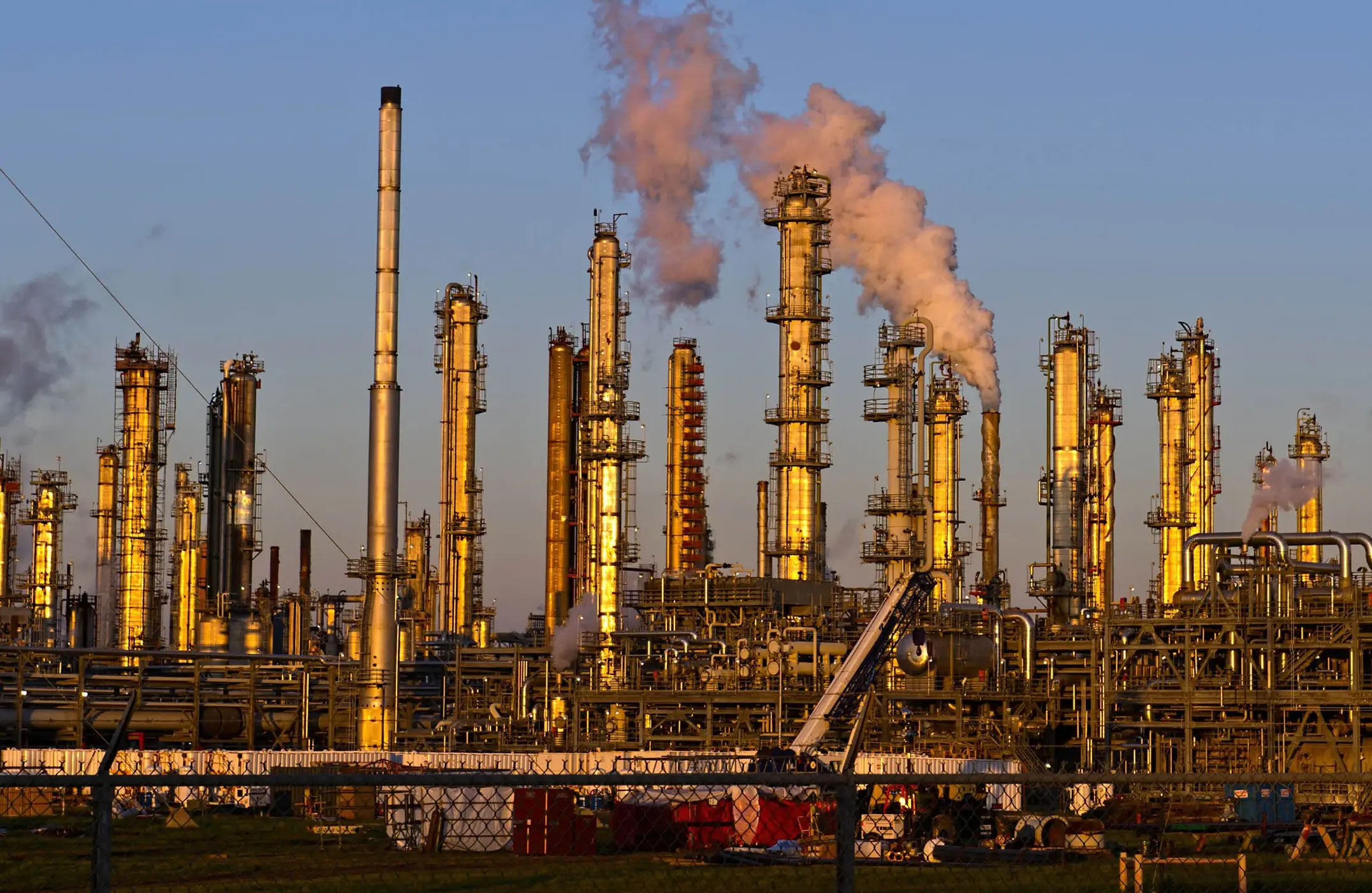
It makes sense to begin with energy, given the central role of the Gulf in global oil and gas production. The Strait of Hormuz, through which roughly one-fifth of the world’s oil supply normally passes, represents a critical chokepoint. Any effective closure or sustained disruption would contribute to a major supply shock, with tankers delayed, export routes constrained, and storage capacity under pressure.
In such a scenario, producers in the Gulf could be forced to cut output, while attacks on energy infrastructure would further limit supply. Prices for oil and gas would likely rise sharply. Analysts have previously suggested that prolonged disruptions in the region could push oil prices significantly higher, with knock-on effects across global markets. Emergency measures, such as coordinated releases from strategic reserves, might provide temporary relief, but these are widely viewed as short-term solutions.
Even if shipping routes were reopened quickly, recovery would not be immediate. Damage to infrastructure can take years to repair, and market confidence often lags behind physical recovery. The impact would also be unevenly distributed, with Asia likely to bear the brunt early due to its heavy reliance on Middle Eastern energy imports.
Fertilizer and Food Security Pressures
However, the economic impact would extend far beyond energy. Fertilizer production, which depends heavily on natural gas, would be particularly vulnerable. Disruptions to supply and rising input costs could push fertilizer prices higher, affecting farmers during critical planting periods. The result would likely be higher food prices and, in some regions, reduced crop yields.
This has important implications for global food security. Higher agricultural costs and lower production can place additional strain on already fragile systems, particularly in developing countries that rely on imported fertilizer. In such circumstances, increases in food prices can become not only an economic issue but also a political one.
Risks to Technology Supply Chains
Another area of concern is helium, a byproduct of natural gas processing. Major producers in the Gulf play a significant role in global supply, and disruptions could affect industries that depend on it. Semiconductor manufacturing, in particular, relies on helium at several key stages. While companies may be able to rely on stored reserves in the short term, prolonged shortages could create bottlenecks in the production of microchips and other electronic components.
Petrochemicals and Plastics Under Strain
The petrochemical and plastics industries would face similar challenges. Since plastics are derived from fossil fuels, rising oil and gas prices would feed directly into higher production costs. Asia, which accounts for a large share of global plastics manufacturing, depends heavily on imported inputs from the Middle East. Disruptions to these supply chains could lead to increased prices for a wide range of goods, from packaging to industrial components.
A Ripple Effect Across the Global Economy
Taken together, these effects illustrate how a regional conflict could trigger a broader economic shock. The interconnected nature of global supply chains means that disruptions in one sector can quickly spread to others, amplifying the overall impact.
Ultimately, the severity of these consequences would depend on how the conflict evolves. The duration of disruptions, the extent of infrastructure damage, and the effectiveness of policy responses would all play a role. At the same time, uncertainty itself would remain a key factor. Inconsistent communication and unclear timelines can make it more difficult for businesses, governments, and individuals to respond effectively, adding another layer of complexity to an already volatile situation.
An Uncertain Outlook
In this context, the potential for widespread economic disruption underscores both the importance of stability in critical regions and the vulnerability of the global systems that depend on them.