




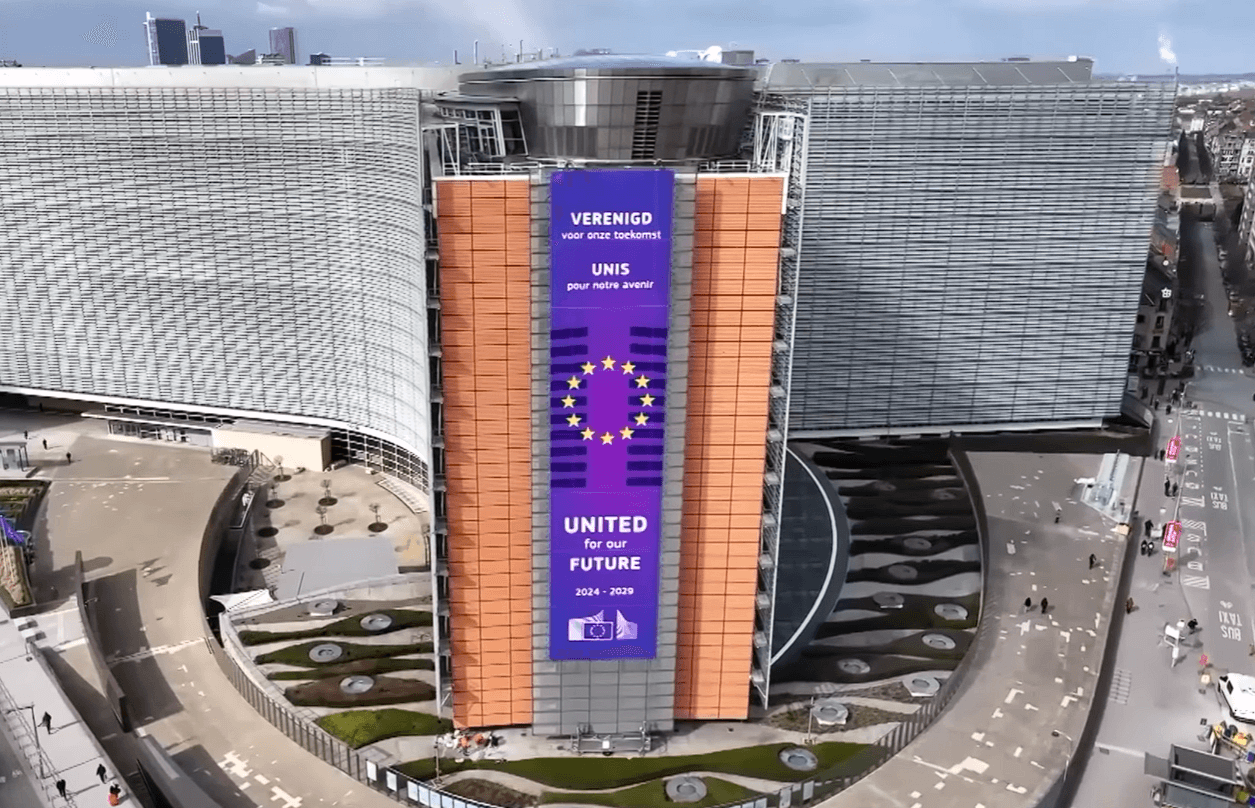
The member states of the European Union have at long last sanctioned the EU’s most extensive free trade agreement with the South American bloc Mercosur.
After more than 25 years in the making, this trade deal has frequently been impeded, postponed, and shelved, particularly due to resistance from France and agricultural interests. Nevertheless, some last-minute compromises by the European Commission succeeded in persuading Italy, which cast the pivotal vote ahead of Friday’s assembly.
Mercosur, known as the Southern Common Market, is a South American trade organization established in 1991, consisting of Argentina, Brazil, Paraguay, and Uruguay, along with Bolivia, which, as the latest addition, will initially be excluded from the EU trade pact. Discussions regarding an EU–Mercosur trade agreement commenced back in 1999, but it was not until two decades later, in 2019, that negotiations wrapped up and a preliminary accord was reached.
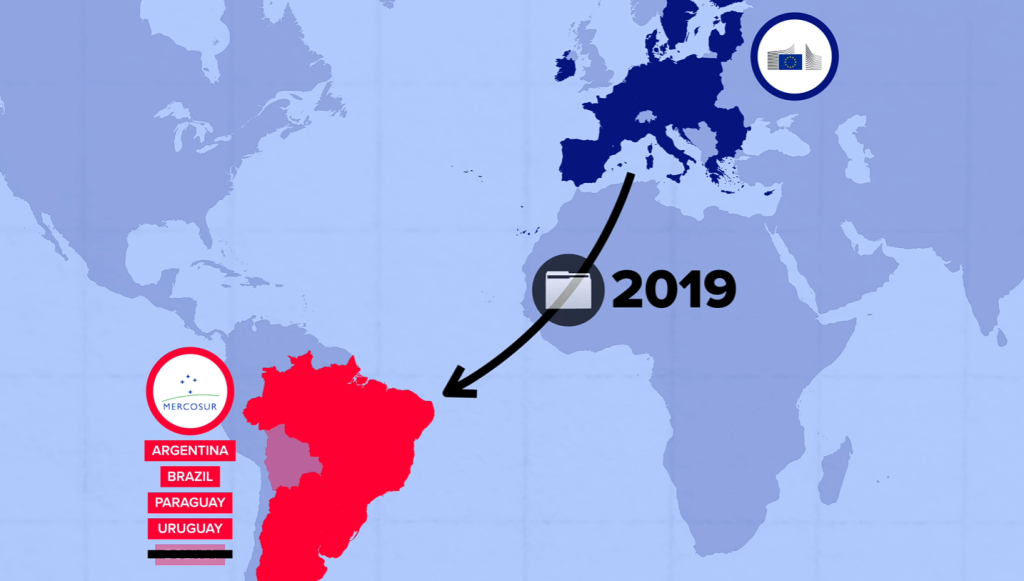
However, the entire arrangement stagnated thereafter, mainly due to pushback from within the EU, particularly from France over environmental issues connected to Brazil’s former president Jair Bolsonaro and the potential adverse effects of the trade deal on European farmers, who have historically protested against such an agreement. After being stalled for a few years, momentum for the deal picked up again in 2023, partly due to the emergence of a new, environmentally conscious government in Brazil.
Eventually, in early December 2024, European Commission President Ursula von der Leyen officially endorsed the agreement with Mercosur’s leaders in Uruguay. But, as you’ve likely surmised, this was not the conclusion of the saga. The free trade agreement—officially the EU–Mercosur Association Agreement—still required ratification by the EU Council, consisting of the governments of each member state. Now that it is the beginning of 2026 and council ratification is still under discussion, it is clear that this next phase required significant time to finalize.
So what makes this trade agreement so contentious? What are its advantages and disadvantages?
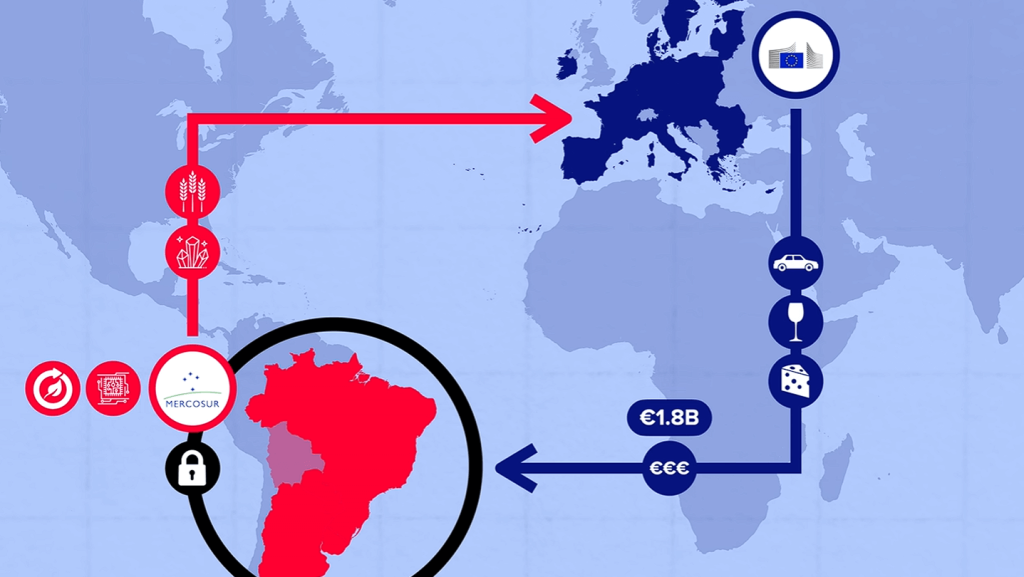
For the EU, it provides access to Mercosur’s relatively protectionist market for European exports, such as manufactured goods like automobiles and specialty agricultural products like wines and cheeses. It diversifies the European trade portfolio at a time when global trade—particularly between the EU and the US—has been disrupted, and it also enhances the EU’s access to Mercosur’s exports, including critical minerals essential for the energy transition.
Germany and Spain, for example, are strong advocates of the trade agreement, viewing it as an advantageous opportunity for their industries and economies.
For Mercosur, the agreement opens up the European market for its exports, which is particularly beneficial for raw materials and agricultural products. This, in turn, diversifies Mercosur’s trade and should encourage increased investment in South America from European companies. Additionally, the EU will contribute €1.8 billion via its Global Gateway initiative to aid Mercosur in its green and digital transformation.
In summary, the EU–Mercosur trade deal would represent the EU’s largest free trade accord, connecting a market of over 700 million people, eliminating tariffs on more than 90% of bilateral trade, and, according to the Commission, saving European exporters approximately €4 billion each year.
However, the primary source of opposition to the agreement within Europe stems from concerns that European farmers will be undercut by competitive South American producers of beef, poultry, and soy, and that the deal might lead to increased environmental devastation in South America. Throughout every phase of progress, the deal has triggered protests from farmers in Brussels and beyond.
France, a significant agricultural exporter with a robust farmers’ lobby, stands as the chief antagonist of the Mercosur agreement, joined by Poland, Austria, Hungary, and Ireland in opposition. It is important to note, however, that the deal does not permit unrestrained imports of Brazilian beef into Europe. The agreement stipulates that the EU will accept imports of 99,000 tons of Mercosur beef at a reduced tariff of 7% to 12%, phased in over five years. This amount constitutes 1.6% of total European beef production and is less than half of current imports from Mercosur.
Conversely, skeptics within Mercosur express concerns that their domestic industries will be subjected to heightened competition from European manufactured goods, as well as from European companies gaining improved access to Mercosur’s public procurement markets. To enhance the agreement, additional environmental commitments were incorporated in 2024.
A recalibration mechanism for conflict resolution and corrective actions was established, and the EU reserved €1 billion in anticipation of the improbable scenario in which the European agricultural sector faces adverse effects. For the trade agreement to gain approval from the Council, it required backing from a qualified majority of member states, meaning that a so-called blocking minority of just four countries representing 35% of the EU population could sabotage it.
Italy, one of the more significant EU member states and initially doubtful about the agreement, emerged as the pivotal vote; if it had aligned with France, they could have formed a blocking minority. However, over a year later, the EU Council ultimately endorsed the trade deal after Italy was persuaded by supporters following fresh concessions from Brussels. These included granting earlier access to as much as €45 billion in agricultural aid, reducing import taxes on fertilizers, and instituting safeguards that could halt imports of critical agricultural products.
Thus, on Friday, January 9, 2026, the EU–Mercosur Association Agreement was finally sanctioned by the Council after more than 25 years of effort. For the European Commission and member states in favor—particularly Germany and Spain—as well as Mercosur, this marks a substantial and long-anticipated victory and a beacon for advocates of free trade during particularly tumultuous times.
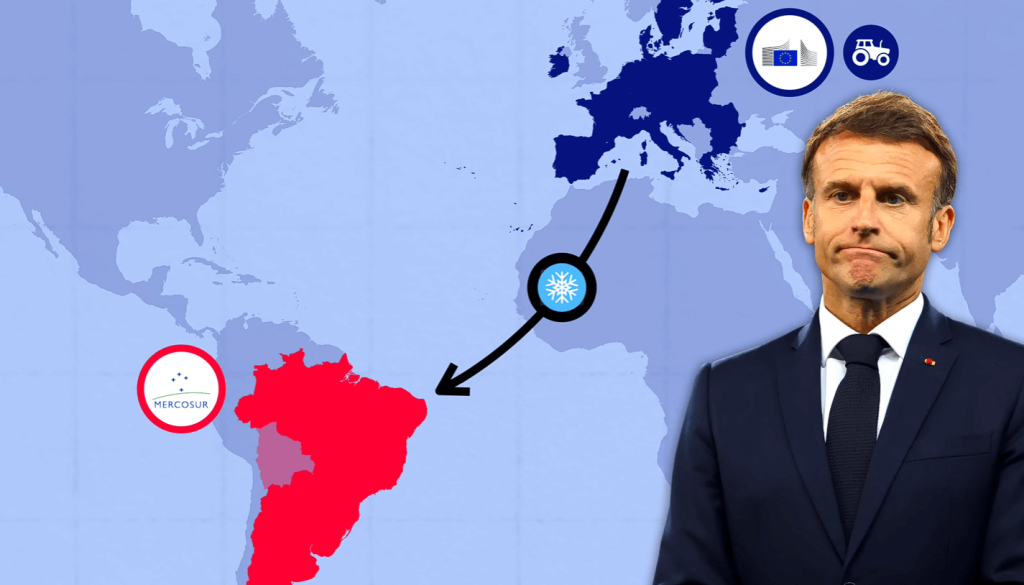
Nevertheless, France and President Emmanuel Macron will not be rejoicing. This represents a diplomatic setback for Macron, who succeeded in delaying the agreement for years. Already struggling domestically with political instability and low popularity, this development perhaps signals a decline in Macron’s diplomatic influence in Brussels. Extreme left and extreme right French opposition parties have already stated that they will attempt to dismantle France’s fragile minority government due to Macron’s inability to obstruct the agreement.
However, France remains determined to continue the fight because, as you may have inferred, the deal is not yet fully finalized, as it still awaits ratification by the European Parliament in the coming months. With pressure from agricultural lobbies and environmental organizations opposing the agreement, the vote could potentially be very close.