




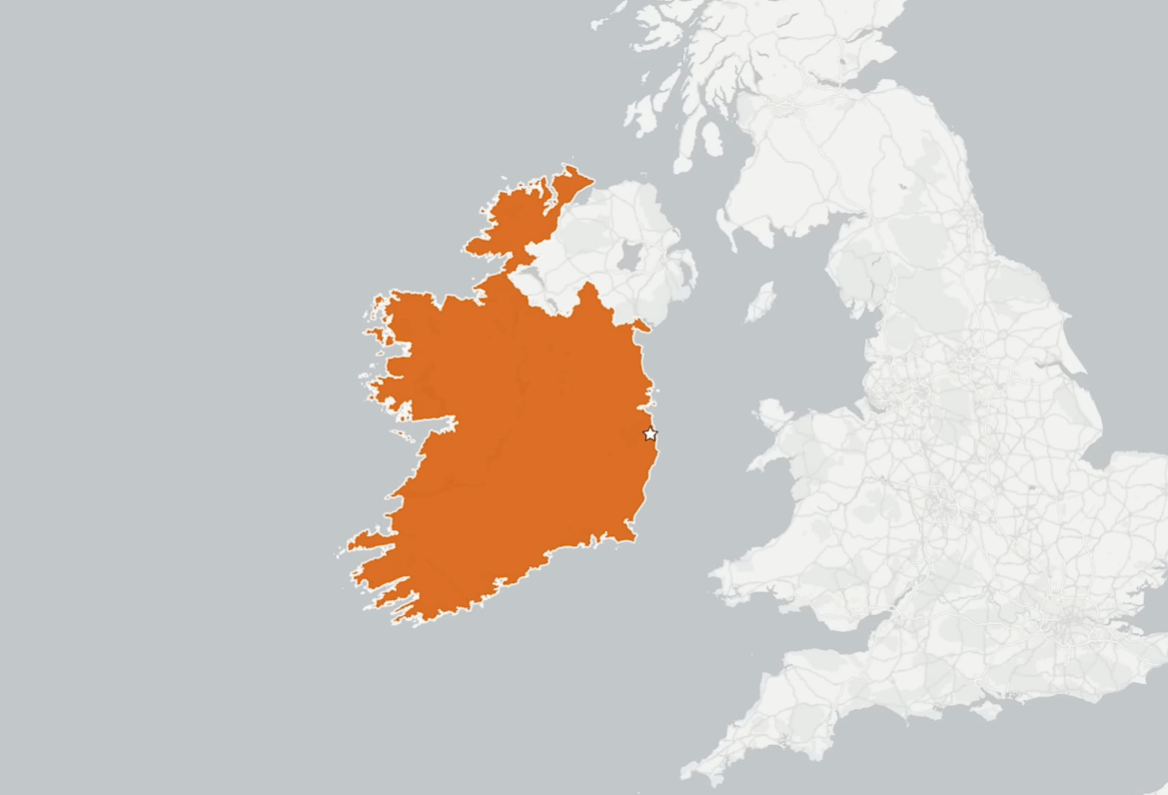
In spite of impressive economic expansion, averaging about 7% yearly in recent years and boasting one of the highest GDP per capita figures globally, consistently exceeding 90,000 or over 180% of the EU average, the Republic faces challenges in bullding an adequate number of homes.
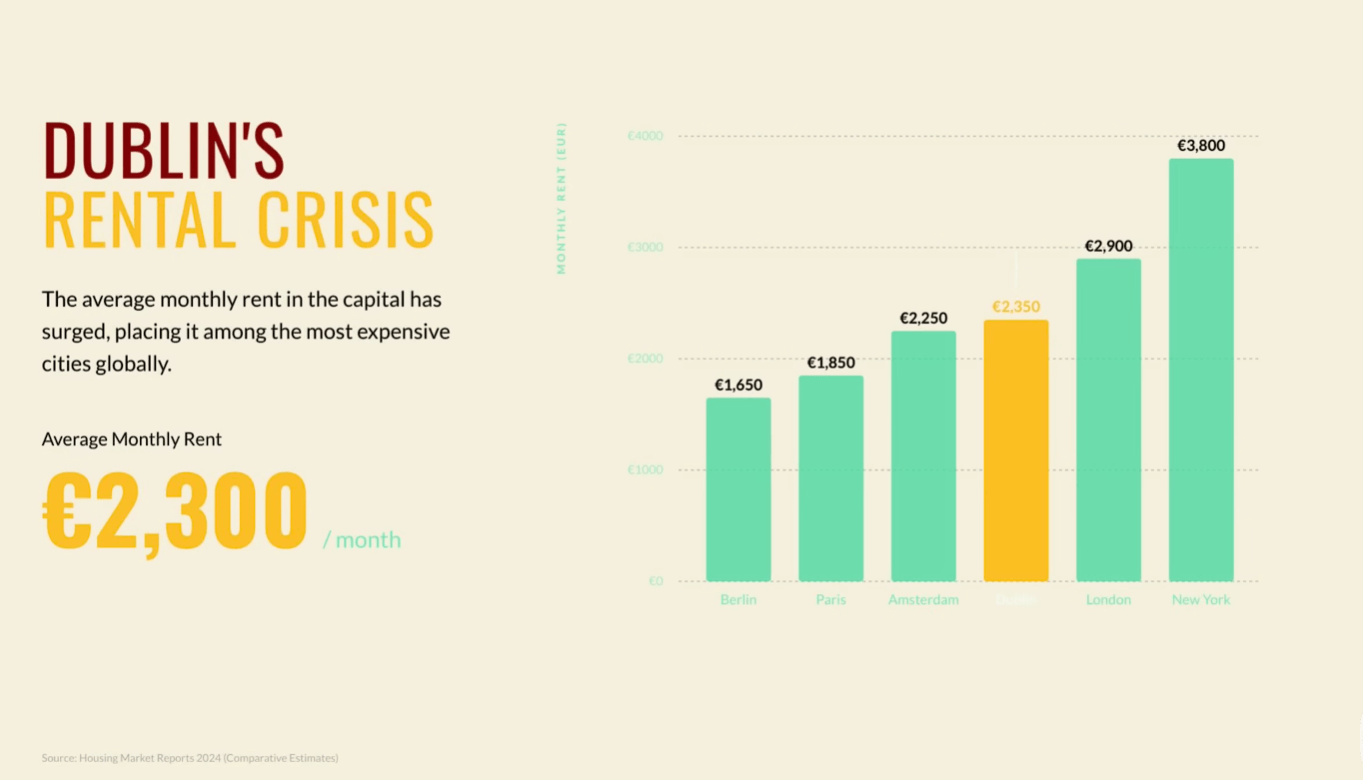
Ireland is currently experiencing some of the highest rental prices in the European Union, with average rents climbing by more than 130% since 2012, while incomes have grown by less than 40% during the same timeframe. In Dublin alone, the typical monthly rent has exceeded €2,300, placing the city among the most costly places to reside worldwide.
Despite this strain, Ireland is constructing fewer homes than it did almost two decades ago. In 2006, at the height of the building bubble, upwards of 87,000 homes were erected in a single year. In contrast, recent annual production has struggled to exceed 35,000, even as the population expands at one of the fastest paces in Europe. In Ireland, which has a population of just over 5 million, more than 16,000 people are classified as homeless within the country’s emergency housing system, inclusive of over 5,000 children. This implies that roughly one in every 300 people nationally lacks a home to return to, while one in four households resides in rental housing. This reveals another facet of Ireland.
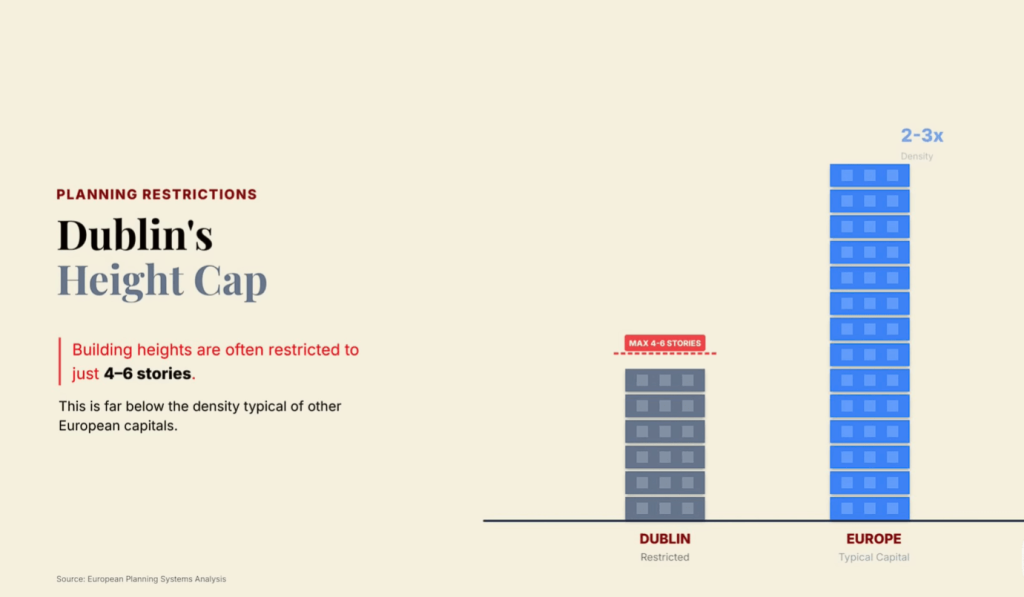
Over the past decade, Ireland’s planning framework has turned into one of the most restrictive in Europe. In Dublin, for instance, construction heights are frequently limited to four to six stories, far below what is standard for capital cities with similar population densities. The process is further delayed by planning appeals that allow a single objection to hinder a housing project for 12 to 24 months. Ireland’s political system also grants considerable power to local councilors and community groups.
Research indicates that in Dublin alone, nearly 25% of significant housing propositions encounter notable delays due to appeals or legal disputes, adding unpredictability and financial risk for developers. Between 2018 and 2022, over one in five substantial residential projects in the capital were hindered by legal actions.
Homeowners, who comprise approximately 65% of Irish voters, typically oppose high-density developments that might affect property values or neighborhood character. This results in political incentives for local councils and national politicians to limit housing supply rather than broaden it.
Contrary to common belief, Ireland does not have a shortage of land. It has a deficit of activated land. In practice, large tracts of zoned residential land remain undeveloped, often held by investors biding their time for price increases. In Dublin, it is estimated that 20% to 25% of zoned residential land is vacant. This has caused land prices in urban areas to surge by over 80% in the last decade, giving substantial motivations for landowners to hold onto their properties rather than develop.
Unlike many European nations, Ireland relies heavily on the private sector for housing provision. Even though the state is a major landholder, it has struggled with efficiently utilizing its assets.
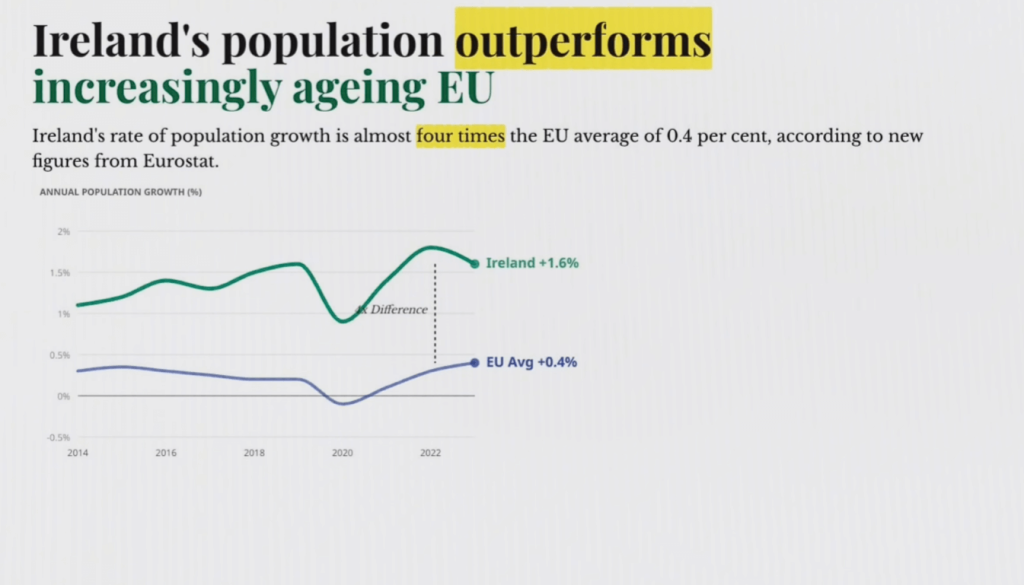
Public housing construction comprises less than 10% of total housing output in certain years, considerably below the figures seen in countries like Austria or the Netherlands. Ireland’s population has also escalated rapidly, growing by around 30% since 2000, one of the swiftest rates in the EU.
Net migration added over 300,000 individuals between 2015 and 2023, while Dublin’s populace increased by nearly 15% in the last decade. Simultaneously, household sizes have markedly declined. In 1991, the typical Irish household had 3.3 members, decreasing to 2.7 in 2022. This trend means Ireland requires significantly more housing units per individual compared to years past.
The Irish housing market has thus inexorably become uncertain, with developers reluctant to invest substantial sums up front when approval timelines are unpredictable. Ireland doesn’t simply lack homes; it lacks builder labor.
The workforce in Ireland’s construction sector is about 150,000, starkly lower than the 220,000 employed during the housing boom of the mid-2000s.
Following the financial crisis, nearly 40% of construction workers exited the industry, many of whom also emigrated. Simultaneously, the demand for construction labor has surged across Europe, with nations like Germany, the UK, and the Netherlands vying for the same limited pool of workers.
Today, the sector faces severe shortages across numerous trades. Electricians, plumbers, and site managers are among the most affected, with vacancy rates exceeding 15% in certain specialties. Nevertheless, the number of completed apprenticeships remains woefully inadequate, fulfilling only about 65% of annual demand.
This scarcity has significantly contributed to escalating construction wages in Ireland, which have risen by roughly 25% over the past five years, while material costs have increased by over 30%. The cycle of high costs and labor scarcity renders numerous housing projects financially unviable, particularly affordable and social housing initiatives that function on constrained budgets.
Without a continuous approach to enhance skills, innovate building techniques, and bolster workforce retention, Ireland simply lacks the human resources necessary to elevate housing production to the needed levels. Even when building permits are approved, constructing homes in Ireland remains exceedingly costly.
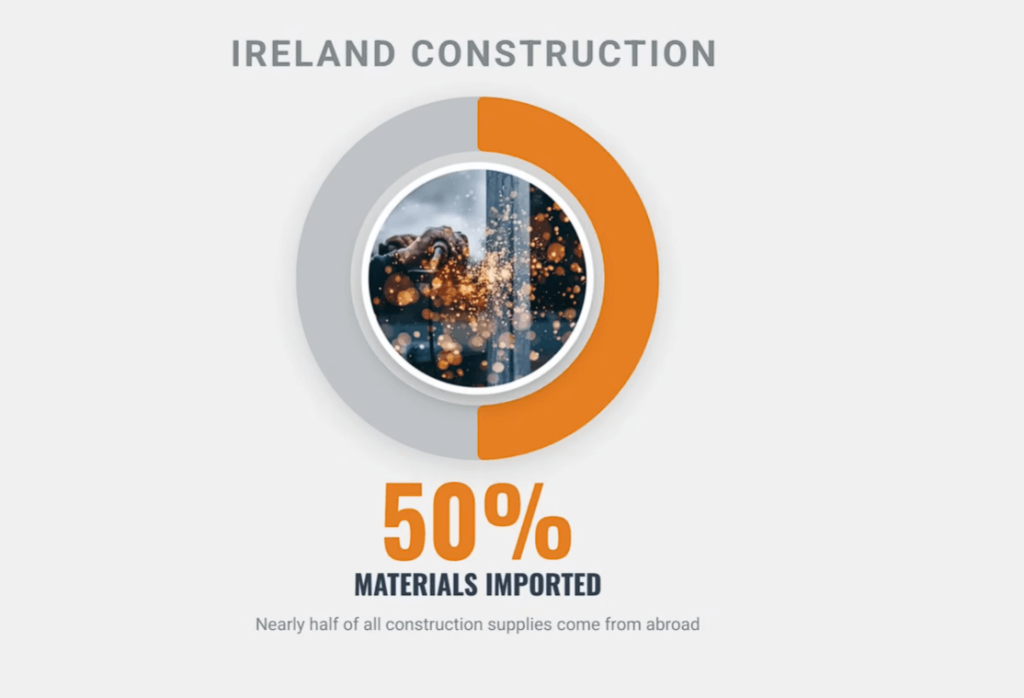
Construction expenses have surged by around 45% since 2016, significantly outpacing overall inflation. Ireland also boasts some of the highest construction labor expenses in Europe with skilled wages ranging 20 to 30% above the EU average. Furthermore, the nation imports nearly half of its construction supplies, making it highly susceptible to global supply disruptions.
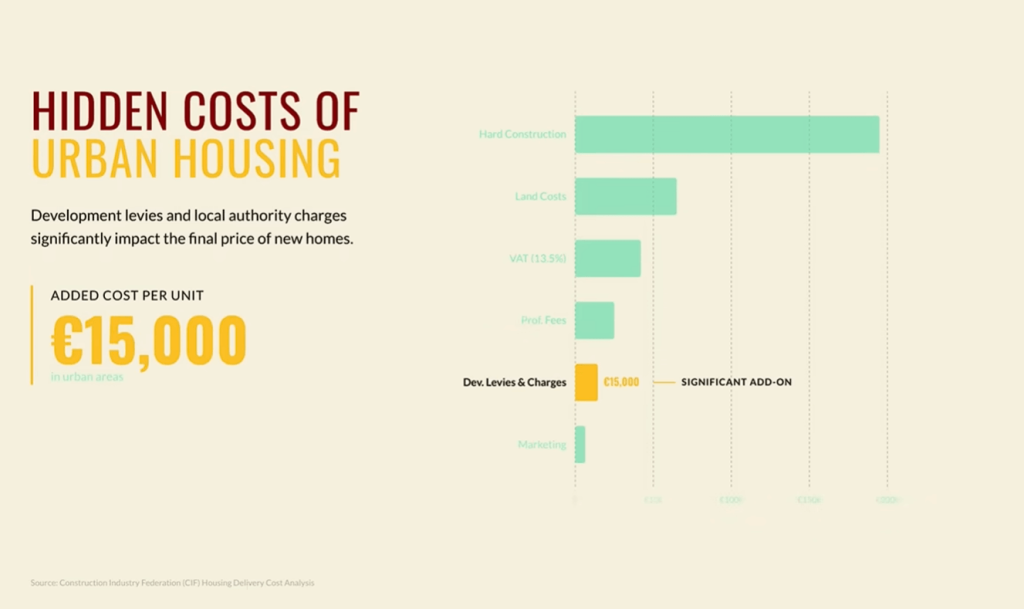
Additionally, regulatory standards, while intended to enhance quality and sustainability, also escalate costs. For example, adherence to energy efficiency regulations can elevate per unit costs by €20,000 to €30,000, especially for apartment projects. Development levies and local authority fees can impose an extra €15,000 per unit in urban regions, which greatly constrains project feasibility.
In numerous areas of Ireland, the expense of constructing a home exceeds its market worth, rendering development economically unfeasible without state assistance. Hence, construction is focused in high-demand urban centers, leaving rural areas underprovided and further heightening pressure on cities.
Ireland’s housing dilemma is not a result of insufficient funds, land, or demand. It stems from institutional weakness, an over-dependence on the private sector, and the lingering impacts of past failures. Addressing the crisis will necessitate expedited planning, reduced construction expenses, and a considerable increase in public housing.
Until these systemic hurdles are tackled, Ireland will continue to be a nation where economic prosperity and housing inadequacy coexist.