




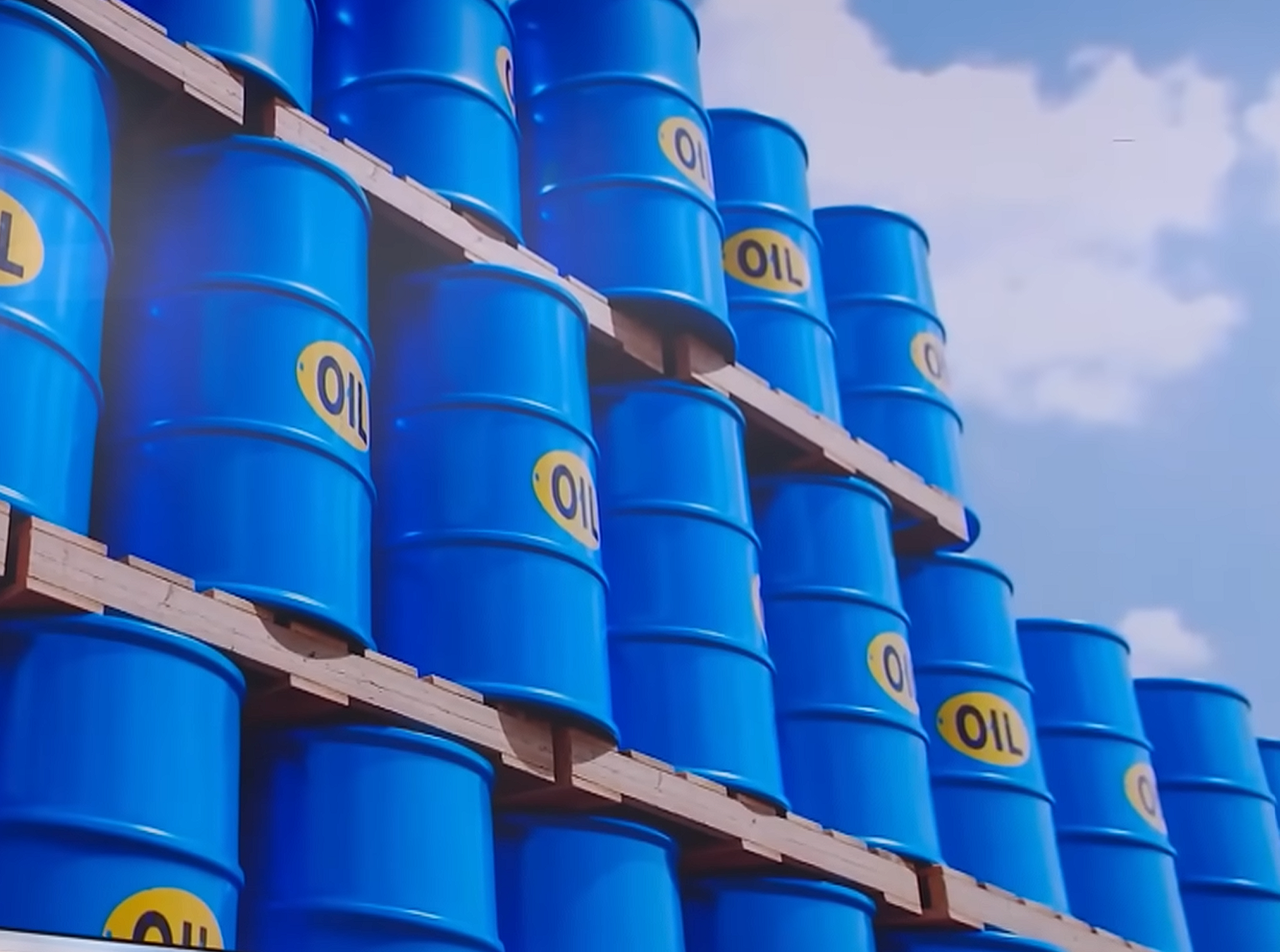
Every time politicians talk about Venezuela, they make it sound like it’s all about drugs, corruption, or political chaos. That’s the story they want you to hear. But the truth? The real reason the U.S. keeps a close eye on Venezuela is oil—thick, heavy, hard-to-replace oil. And that oil matters more than most people realize.
At first glance, you might think America doesn’t need Venezuelan oil anymore. After all, thanks to fracking, the U.S. produces more oil than ever. Shale oil is everywhere, cheap, and easy to get. Texas, North Dakota, even Pennsylvania—oil is pouring out of the ground like never before. On paper, we should be energy independent. So why is Venezuela still in the picture?
Here’s the catch: not all oil is the same. Most of the new American oil is light crude—it’s smooth, runny, and easy to refine. That sounds great, right? But here’s the problem: most of America’s refineries aren’t set up for light crude. They were built decades ago to handle the heavy, gloopy oil that used to come from Venezuela and Canada.
Think of it this way: if your car is designed to run on regular gas, you can’t just dump diesel in and hope it works. That’s essentially what’s happening with America’s refineries. They need heavy crude to function efficiently. Without it, they can’t produce enough gasoline, diesel, or jet fuel.
Even with all the shale oil we pump at home, America still relies on heavy crude imports. Canada has stepped in as the main supplier, and Mexico helps a little, but Venezuela still has the world’s largest proven oil reserves, almost all of it heavy crude. Outside of Canada and Russia, there’s nowhere else in the world with enough heavy oil to replace it. That’s why Venezuela still matters—even if it looks like chaos on the surface.
And let’s be honest: Russia has heavy oil too, but do we really want to depend on a country that’s openly hostile to the U.S.? Venezuela represents a huge energy prize that America doesn’t want to leave in someone else’s hands. It’s not just about politics or ideology—it’s about keeping the economy moving, gas stations full, and refineries running.
So, next time you hear politicians or media talking about “Venezuela and drugs,” remember this: that’s just the cover story. The real reason the U.S. watches Venezuela so closely is practical, economic, and strategic. It’s about heavy crude. It’s about energy security. It’s about making sure America doesn’t find itself in a tight spot if global oil flows get disrupted.
Venezuela might be unstable, its government might be corrupt, and its economy might be collapsing—but it’s sitting on a treasure trove of oil the U.S. can’t ignore. The talk about drugs and democracy? That’s just the story they tell you in the headlines. The real story is about oil, and it’s as raw and thick as the Venezuelan crude itself.
In short, Venezuela matters because oil still rules geopolitics. Money, power, and energy go hand in hand, and heavy crude is one of the few things the U.S. can’t fully replace on its own. Ignore the headlines if you want—but don’t ignore the oil.