



We’re often told that elections are about big choices. Different visions. Different futures. But when the CEO of the world’s largest asset manager calmly explains that it doesn’t really matter who wins, it reveals an uncomfortable truth: the range of choices has shrunk. Politics today is less about changing the system and more about managing it in slightly different ways.
For most people, the result feels the same. Life keeps getting harder.
Wages lag behind prices. Debt piles up. Rent rises faster than paychecks. Buying a home feels like a fantasy. Even things we once owned are now rented back to us. Cars, phones, entertainment, software, even features inside the products we already paid for. Each monthly payment looks small on its own. Together, they form a cage.
This is not an accident. It’s the result of an economic system that no longer works like traditional capitalism. Some economists call what we’re living under now technofeudalism — and the name fits uncomfortably well.
Under old-school capitalism, companies made money by producing things and selling them. Workers were paid wages, goods were exchanged, and markets — flawed as they were — still existed. Under feudalism, by contrast, lords owned the land and everyone else worked it just to survive, handing over most of the value they created.
Today’s tech giants look a lot more like feudal lords than capitalist innovators.
Companies like Amazon, Google, Meta, Uber, and Airbnb don’t mainly create goods. They control platforms. If you want customers, you must go through them. If you want visibility, you must obey their rules. If you want work, you accept their terms — no benefits, no security, no transparency.

BMW is offering heated seats on a monthly subscription.
This is where the idea of rent comes in. These platforms take a cut simply because they can. App stores take 30 percent of revenue. Ride-hailing apps decide prices without telling drivers or riders how the money is split. Content creators work for free under the constant threat of being shut out overnight. The labor happens. The risk is pushed downward. The wealth flows upward.
At the center of this system is something called cloud capital. Data centers, servers, fiber-optic cables — the physical backbone of the digital world. These aren’t factories that produce goods. They exist almost entirely to extract value. They soak up public resources, energy, land, and tax breaks, while returning profits to a small group of owners.
And much of this was built with public money.
After the 2008 financial crash, governments claimed they were saving capitalism. Banks were bailed out. Markets were stabilized. But underneath that rescue, something else happened. Public funds helped build the digital infrastructure that allowed Big Tech to dominate entire industries. The state didn’t shrink — it quietly partnered with corporate power.
Now that partnership is becoming more obvious, and more dangerous.
Technology companies are no longer just influencing politics. They are merging with it. Executives from major tech firms are being folded into state and military power. Surveillance tools once sold as conveniences now map our lives in detail. Data about where we go, what we buy, who we talk to, and what we believe is quietly collected and stored.
This isn’t just about profit anymore. It’s about control.
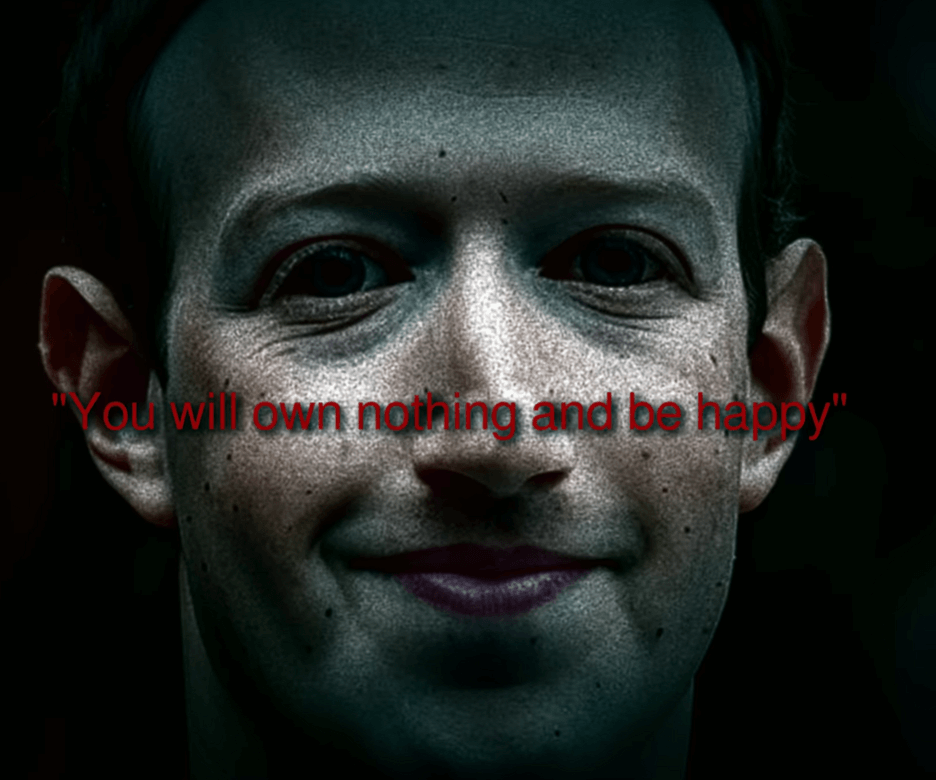
Technofeudalism works best when people don’t own things — and when they don’t feel in control of their own lives. Ownership creates independence. Independence creates resistance. So ownership is stripped away, one subscription at a time.
Even our sense of self is under pressure. Capitalism once sold identity: the car you drove, the phone you owned, the brand you chose. Technofeudalism flattens all of that. You are no longer a customer with power or a worker with rights. You are a user, a data point, a revenue stream.
The good news is that this system is fragile.
Platforms look powerful, but they depend on central points of failure: data centers, infrastructure, labor, and public consent. Unlike capitalism, technofeudalism doesn’t even pretend to offer a better future. It doesn’t promise prosperity. It promises survival — barely.
That makes it harder to sell. Harder to defend. And harder to sustain.
Capitalism survived by lying well. Technofeudalism is too naked, too extractive, too obvious. People know they’re being squeezed. Gig workers know they aren’t free. Users know the deal is rigged.
The question now isn’t whether this system is unjust. That’s already clear. The real question is how long people will tolerate it — and what comes next when they stop.