




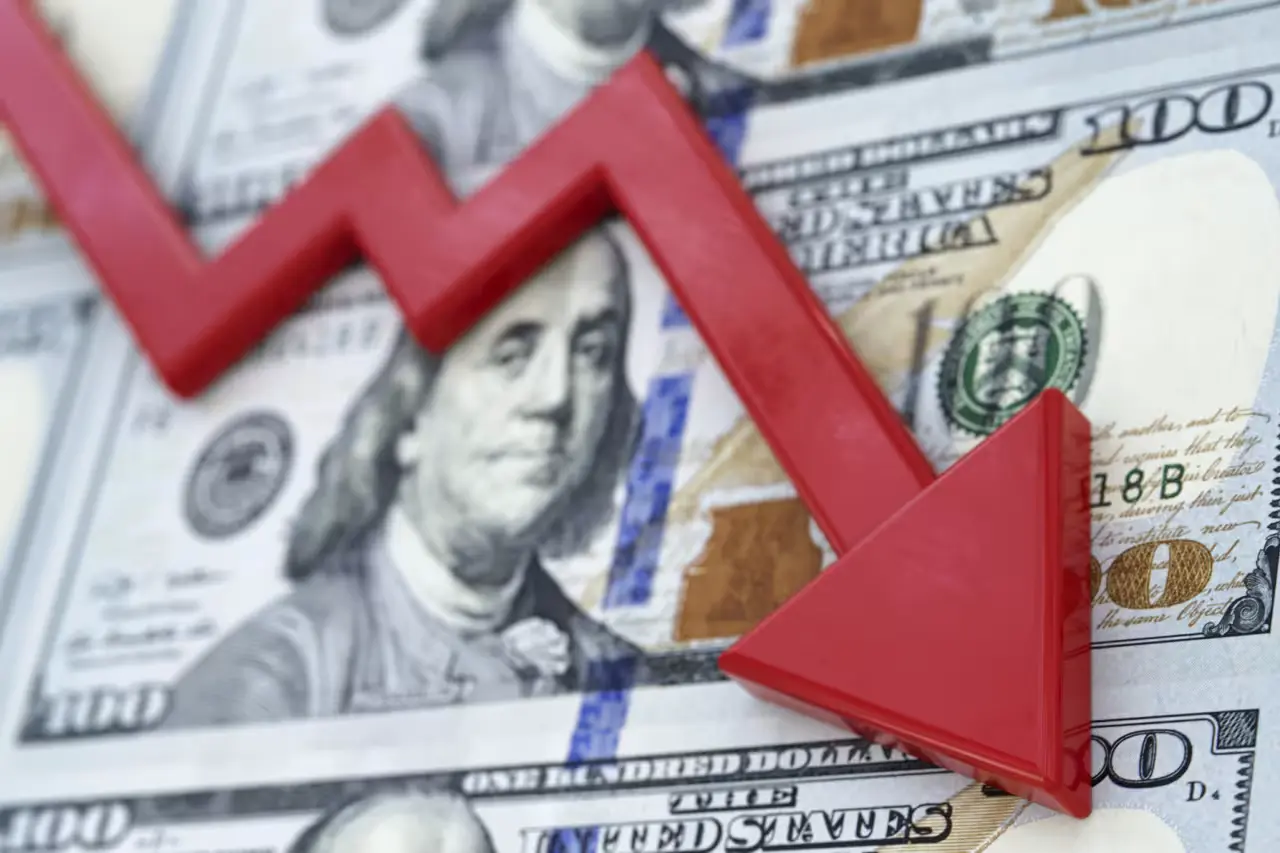
The U.S. dollar has entered a period of noticeable weakness, but market participants say the move reflects risk management and hedging behavior, not a loss of confidence in the American economy. While gold prices and select alternative currencies have surged, U.S. stocks remain resilient—signaling repositioning rather than retreat.
- Investors are hedging dollar exposure, not fleeing U.S. assets
- Gold and “insurance currencies” rise as tail risks increase
- Policymakers favor a stable dollar, not depreciation
- Japan’s bond market volatility is a global risk transmission point
- The Federal Reserve is expected to pause, awaiting clearer inflation progress
A Dollar Repositioning, Not a Panic
Despite a weaker dollar, U.S. equity markets have held firm, underscoring that global capital remains invested in American risk assets. Market strategists say investors are selectively hedging currency exposure amid heightened geopolitical and fiscal uncertainty rather than exiting U.S. markets outright.
“This is not capital flight,” one strategist said. “It’s portfolio insurance.”
Gold’s strong rally—one of the most visible beneficiaries—has reinforced that view. Rather than signaling inflation fears alone, gold’s rise reflects demand for safe havens amid uncertainty about global debt levels, political risk, and institutional stability.
Debt and Stability Take Priority
While a weaker dollar can theoretically boost U.S. exports, analysts argue that such benefits are secondary at today’s debt levels. With U.S. government liabilities approaching $40 trillion, currency stability is seen as far more important than marginal trade advantages.
A stable dollar supports demand for long-dated U.S. Treasuries, helping keep borrowing costs contained. A disorderly decline, by contrast, could push yields higher and undermine fiscal sustainability.
Japan’s Struggles Ripple Globally
Japan has emerged as a focal point in global currency and bond markets. The yen has strengthened modestly against the dollar, but ongoing volatility in Japan’s government bond market has raised concerns about spillover effects.
Japan faces a familiar dilemma among developed economies: an aging population, limited workforce growth, and high leverage. These structural constraints limit fiscal flexibility while complicating central bank efforts to defend the currency through higher rates.
Market participants say calming rhetoric and coordinated signaling—rather than aggressive intervention—are likely to dominate in the near term.
Fed Poised to Wait
Attention now turns to the Federal Reserve, which is widely expected to hold interest rates steady. Policymakers view current policy as near “neutral” and are reluctant to ease further until inflation shows sustained improvement.
While debate within the Fed has become more visible, analysts see this as healthy rather than destabilizing. As rates approach neutral levels, consensus has shifted toward patience over preemptive cuts.
Outlook: Temporary, Not Structural—For Now
Most analysts do not see the current dollar weakness as the start of a multi-year decline. The U.S. continues to benefit from strong innovation, deep capital markets, and leadership in emerging technologies such as artificial intelligence.
However, the duration of the dollar’s softness will depend on how quickly global risks subside. Clearer fiscal signals, geopolitical stabilization, and calmer bond markets—particularly in Japan—could help reverse the trend.
Until then, investors appear content to stay invested in U.S. assets—while quietly buying insurance.